
- Four recovery signals: how the skin and liver respond to sobriety
- Mechanism: how alcohol affects the liver and skin – and what starts to change after quitting
- Step-by-step guide: how to notice and track changes in your skin and energy daily
- Comparison: what changes faster – skin, liver, appetite, or mood
- Frequently asked questions
- Conclusion: how to make recovery noticeable and not lose motivation
ATTENTION: This material is for informational purposes only and is intended for general support. It is not medical advice, does not provide diagnoses, and does not replace professional treatment. If you experience severe physical withdrawal symptoms, be sure to consult a doctor or qualified medical professional.
1. Four signals of recovery: how the skin and liver respond to sobriety
You’ve gone a month without alcohol, but the mirror shows new breakouts or dull skin? This isn’t always a sign of problems—often, it’s the first signal that your body has started to adjust. Liver and skin recovery in the first month of sobriety rarely looks perfect: many people notice unexpected changes at first—and this is a normal part of the process.
When you stop overloading your liver with toxins, a chain of changes is triggered throughout your body. The skin is the first to react, but not always “perfectly”: it may become less oily, but sometimes new breakouts appear. The liver gradually shifts from emergency processing mode to recovery, and this can affect your energy, appetite, and even mood.
Here are four signs of recovery that can be noticed as early as the first month of sobriety: skin condition, sense of energy, appetite balance, and mood stability. Each of them can indicate that changes are already happening.
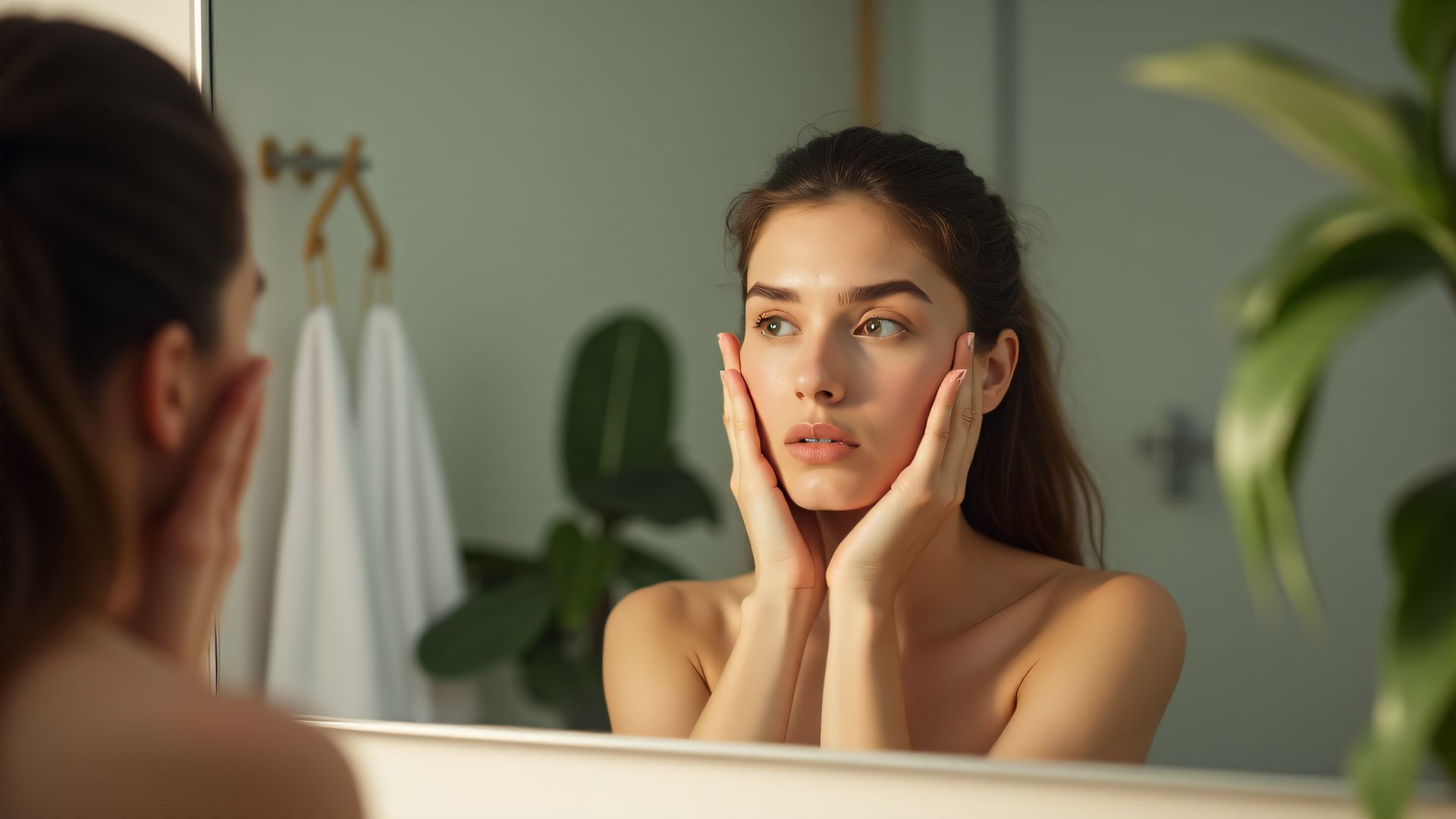
2. Mechanism: how alcohol affects the liver and skin – and what starts to change after quitting
Mirror of the skin: why rashes and dullness appear
The first blow of alcohol to the skin is a disruption of microcirculation and increased inflammation. Blood vessels dilate, and the skin’s immunity weakens. This leads to breakouts, swelling, and a dull complexion. After quitting, these processes do not disappear immediately: in the first weeks, the body is only beginning to recover. Often, new breakouts appear just when it seems things should be getting better. This is not a setback, but a sign that the skin is eliminating residual toxins and gradually rebuilding its protective barrier.
Liver energy: how the sensation in the body changes
Alcohol puts a strain on the liver, forcing it to work in a constant mode of neutralizing toxins. When you stop drinking, the liver gradually shifts from emergency mode to recovery mode. During this period, you may experience a feeling of heaviness or discomfort in the right upper abdomen, and your energy may not fully return yet. This is because liver cells begin to regenerate, and the body readjusts its metabolism. The feeling of lightness and surge of energy often does not come immediately, but gradually, as internal inflammation decreases.
Appetite balance: why digestion changes
Alcohol disrupts the balance of gut microflora and the function of digestive enzymes. Because of this, appetite can become either excessive or, conversely, reduced, and food does not bring a feeling of satiety. After quitting, these mechanisms do not recover instantly. In the first month, many people notice changes in digestion: the constant feeling of hunger disappears, but discomfort or bloating may appear. This is a sign that the microflora is gradually readjusting, and the liver is no longer spending resources on neutralizing ethanol, but is working on recovery.
- The liver gradually reduces the level of inflammation, which affects the condition of the skin.
- Sleep becomes deeper for many people, and this can trigger the regeneration of epidermal cells.
- Hormonal balance (especially cortisol and insulin) often stabilizes gradually, which reduces the risk of new breakouts.[1]
- Changes in the intestinal microflora affect both immunity and the skin’s ability to regenerate.
Mood stability: how emotions signal recovery
Emotional fluctuations are directly related to how the liver and hormonal system function. After quitting alcohol, the level of stress hormones may remain elevated for several weeks. This affects both the skin (through flare-ups of rashes) and the feeling of energy. For many people, the first positive changes in emotional state appear only after sleep improves and appetite stabilizes. If you notice irritability or fatigue, this is part of the adjustment process, not a sign of failure.
Tip: If you want to understand whether changes have already started, try briefly recording your well-being, skin tone, and energy level every evening. This will help you notice progress even where the mirror is silent.
If you feel that physical withdrawal symptoms become severe or worsen, it is better to consult a doctor. More about this – in the article about the first week without alcohol.

3. Step-by-step guide: how to notice and track changes in your skin and energy every day
Step 1: Choose one signal for daily observation
The first month of sobriety is not only about giving up alcohol, but also about observing how your body responds to changes. It often seems that your skin or overall well-being doesn’t change instantly. But if you choose one of four signals—skin condition, sense of energy, appetite balance, or mood stability—it becomes easier to notice even the slightest shifts.
Most people automatically focus on appearance: whether the breakouts have disappeared, whether the skin has become lighter. But the feeling of energy can be just as telling: for example, whether it has become easier to get up in the morning, or if the heaviness in the body has decreased. Choose the signal that is most important to you right now. This creates a specific starting point, rather than a vague background of expectations.
If you feel ambivalence – a simultaneous desire for change and doubts about the outcome – this is natural. These conflicting emotions are discussed more in the material about ambivalence during recovery. Choosing one signal helps you stay focused and reduces anxiety about the process.
Step 2: Keep a brief record of changes in a tracker or journal
Daily tracking is not about a perfect diary, but about a few words or numbers. For example, rating your skin condition from 1 to 10, describing your complexion, energy level, or appetite. You can do this in a regular notebook or in a sobriety tracker—the main thing is that it’s convenient for you.
Regular entries help the brain better notice even subtle changes. It works like a compounding effect—when you see similar ratings for several days in a row, gradual improvement becomes more noticeable. This is especially relevant for things like energy or mood stability, which can’t always be visually assessed.
The record does not have to be perfect. It is important to note even the smallest details: whether it was easier to concentrate today, whether your skin became less oily, or whether your appetite returned to its usual rhythm. Over time, these observations will help distinguish real progress from emotional fluctuations.
Tip: Choose a fixed time for journaling – for example, right after your morning coffee or before bedtime. This reduces the risk of forgetting and creates a simple ritual of self-observation.
Step 3: Once a week, compare your notes and look for trends
One day is just a moment. A week is already a trend. Once every seven days, review your notes: has your skin assessment changed, do you have more energy, has the heaviness in your body decreased. For many people, this is exactly how it becomes noticeable that the process is moving forward, even if it seems different day by day.
If you notice that your skin condition fluctuates and your energy returns in waves, this is not a sign of failure. Recovery rarely follows a straight line. At this stage, it’s important not to compare yourself to an ideal, but to note your personal progress. For many people, the first weeks of sobriety bring short periods of setbacks (such as breakouts or fatigue), which are followed by gradual improvement.
If you notice that a certain signal is changing slowly, you can choose another one for the next week. This will help you stay motivated and not get stuck on a single manifestation.

4. Comparison: what changes faster – skin, liver, appetite, or mood
Even if it seems that one of the signals remains unchanged, others may already be hinting at the first signs of change. Below is a comparison of four recovery directions through the lens of the “skin mirror,” “liver energy,” “appetite balance,” and “mood stability.”
| Parameter | Skin mirror (external changes) | Liver energy (sensations in the body) | Appetite balance (digestion signals) | Mood stability (emotional state) |
|---|---|---|---|---|
| First noticeable changes | Dullness gradually decreases, sometimes new breakouts appear, which then go away | The feeling of heaviness in the right hypochondrium may decrease, lightness appears in the morning | Strong cravings for sweets or fatty foods gradually weaken, hunger becomes clearer | Fewer sharp mood swings, anxiety may decrease after the third week |
| Typical change dynamics | Wave-like: periods of improvement alternate with short-term worsening | Gradual: energy returns slowly, sometimes with setbacks | Fluctuating: appetite may “jump” for the first 2–3 weeks, then often becomes more stable | Uneven: emotions are sharper in the first days, then become more predictable |
| Influencing factors | Sleep quality, stress level, gut microbiota condition | Eating routine, physical activity, hydration | Sleep, stress level, eating rituals | Social environment, support, self-regulation skills |
| Possible difficulties | Unexpected breakouts, dryness or increased sensitivity | Periodic fatigue, feeling of “stagnation” in the body | Sudden hunger attacks, emotional eating urges | Emotional swings, irritability, apathy |
| What can enhance the positive effect | Regular skin cleansing, minimizing aggressive products | Physical activity, balanced nutrition | Clear meal schedule, tracking hunger signals | Mindfulness practices, communication with supportive people |
| Who is it suitable for | For those focused on external changes and wanting to see progress in the mirror | For those who value a feeling of lightness, notice bodily signals, and seek energy | For those prone to emotional overeating or experiencing appetite imbalance | For those for whom emotional comfort and mood control are important |
Why can skin look worse after quitting alcohol?
For some people, the first weeks of sobriety are accompanied by breakouts, dullness, or even a temporary worsening of complexion. The body is readjusting its processes, and the skin reacts to changes in liver function, hormonal balance, and gut microbiota. If skin changes cause significant discomfort or are accompanied by other symptoms, consult a dermatologist.
When can I expect the first improvements in liver function?
Liver recovery begins in the first days of sobriety, but the pace and intensity of changes are highly individual. Many people gradually notice a sense of lightness or reduced heaviness in the right upper abdomen—sometimes after a few weeks, sometimes later. If pain or discomfort in this area increases, yellowing of the skin or other alarming symptoms appear, it is important to see a doctor.
Is it normal to experience new breakouts or dry skin during sobriety?
During the body’s adjustment, skin condition may temporarily change: breakouts, dryness, or flakiness may appear. This is often related to changes in hormonal balance, liver function, and immune response. Usually, these symptoms gradually subside, but if they become pronounced or persist for a long time, consulting a dermatologist can help find an individual solution.
Why does appetite change after quitting alcohol?
The appetite system is linked to blood sugar levels, liver function, and hormones. After quitting alcohol, these processes gradually readjust. Some people crave sweets or fatty foods, while others experience a decrease in appetite. Short-term fluctuations are part of the body’s adaptation to a new routine. Track your sensations and note changes to better understand your own journey.
How do I know if my recovery is going in the right direction?
Focus not only on external changes but also on your sense of energy, sleep quality, mood stability, and appetite. If you feel more energetic, your skin gradually becomes less oily or irritation decreases, and mood swings become less frequent—these are signs that the process is moving in the right direction. If new or severe symptoms arise, it’s best to consult a doctor.
Conclusion: how to make recovery noticeable and not lose motivation
The first month of sobriety is not just about external changes, but about a new attentiveness to yourself: skin, energy, appetite, and mood form four signals by which you can truly see progress. When the focus shifts from expecting the “perfect result” to daily observation of these indicators, motivation lasts longer and small changes become more noticeable. Your tool is not patience, but specific tracking and analysis.
- Note today’s state according to the four signals: skin, energy, appetite, mood—briefly write down what has changed in the last few days.
- Set a personal check-in for the evening: return to these observations and add one new detail you hadn’t noticed before.
- Share these observations with your support person or in the Soberise app—this reinforces progress and helps track trends.
You already have clear reference points—and every day of sobriety can strengthen your sense of control over your body and mood.
Your sobriety counter – in your pocket
Soberise – a mobile app for supporting sobriety. Day tracker, daily check-in, SOS mode for cravings, and a support circle.