- 30 days without alcohol: how your body changes day by day
- What happens to the body without alcohol: a scientific explanation
- How the changes feel: a map of symptoms and mood
- Step-by-step guide: tracking changes and self-check
- Comparison: ways to support your body in the first month without alcohol
- Frequently asked questions
- Conclusion: what changes you will really feel after a month without alcohol
ATTENTION: This material is for informational purposes only and does not replace consultation with a doctor, psychotherapist, or other qualified specialist. If you experience severe tremors, seizures, confusion, sudden deterioration, chest pain, pronounced shortness of breath, or other alarming symptoms after quitting alcohol, do not wait—seek medical help.
1. 30 days without alcohol: how the body changes day by day
The first 30 days without alcohol often don’t look as beautiful as in motivational videos. Some people quickly lose their morning heaviness, some finally start sleeping well, while others, on the contrary, face irritability, anxiety, strange appetite, and a feeling as if their body is “broken.” In reality, this is not a failure. It’s a period of adjustment, when the body and nervous system are learning to function without the constant influence of alcohol.
Alcohol affects not only the liver. It changes sleep quality, energy levels, appetite, mood, bowel function, stress response, and the brain’s ability to enjoy ordinary things. That’s why the first month of sobriety is not a steady climb, but several waves: first, the body eliminates alcohol and its breakdown products, then the nervous system gradually stabilizes, and only after that does real recovery become noticeable.
It’s important not to expect “perfect well-being” on the third day. It’s better to view changes as a process: today it’s a bit easier to wake up, tomorrow you crave sweets less, in a week you feel calmer in the evenings, and after a month you start to feel that you’re not just enduring, but truly regaining control. Next — step by step about what can happen to your body and mind during the first month without alcohol.
2. What happens to the body without alcohol: a scientific explanation
The first days: the body is coming out of the “post-alcohol” mode
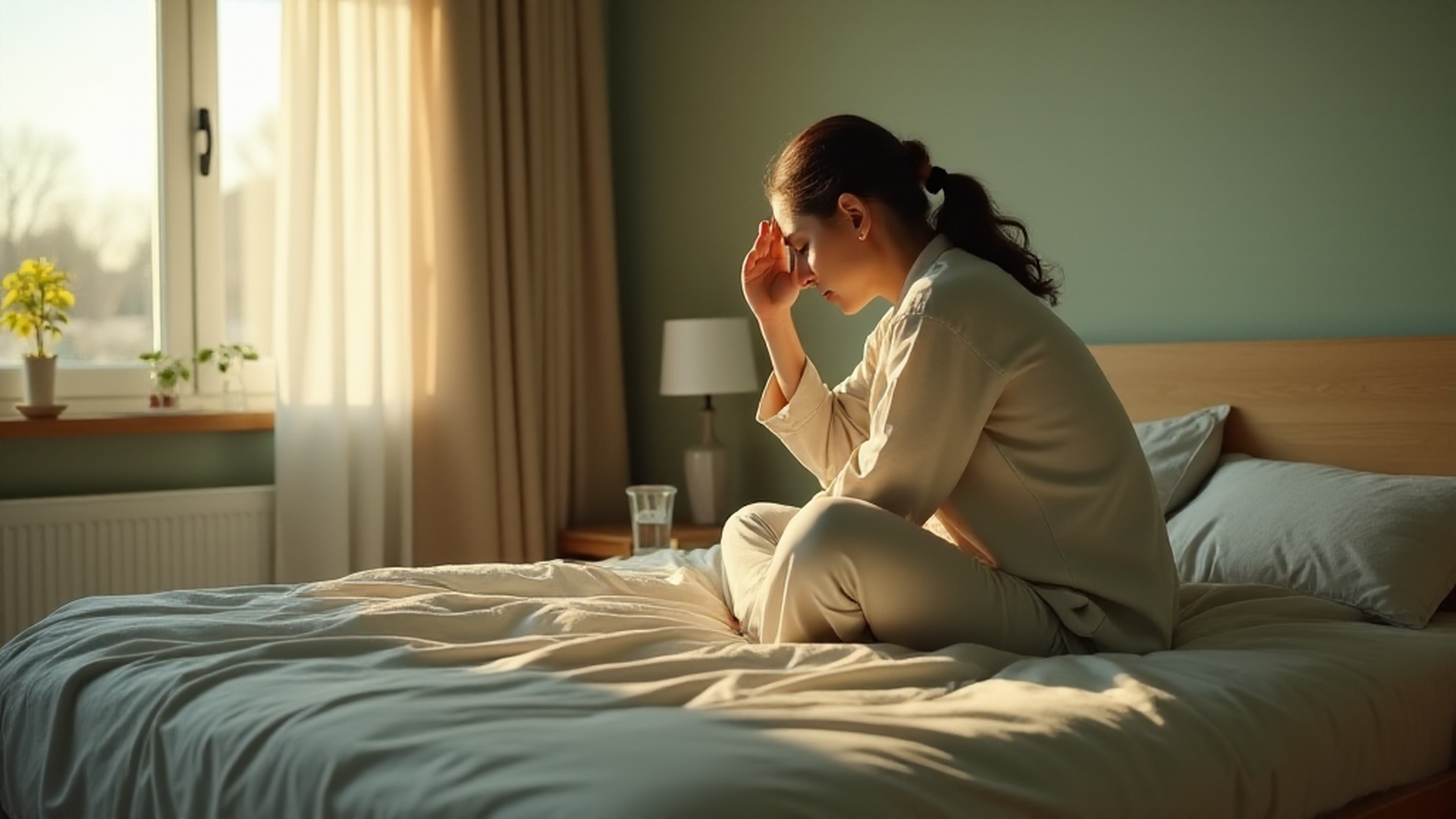
In the first 24–72 hours, the body is engaged in the simplest, yet very energy-consuming work: eliminating alcohol, restoring water balance, stabilizing blood sugar levels, and trying to return the nervous system to normal functioning. That is why during this period you may experience headache, dry mouth, sweating, weakness, trembling, restlessness, irritability, or sleep problems.
This does not mean that “sobriety is not suitable.” It simply means that the body is no longer receiving a substance that artificially altered the functioning of the brain and hormonal system. If alcohol was consumed regularly or in large amounts, the first days may be more difficult. In such cases, it is better not to go it alone, but to have contact with a doctor or addiction specialist.
- Blood pressure, pulse, body temperature, and anxiety level may fluctuate.
- Sleep may temporarily worsen, even if alcohol previously “helped you fall asleep.”
- Craving often intensifies in the evening, at the usual time of use, or after stress.
Tip: In the first days, don’t set the goal of “becoming a new person.” The task is simpler: eat, drink water, sleep, don’t stay alone with your cravings, and get through the day.
Sleep: why it may be harder at first without alcohol, but then gets better
Alcohol can speed up falling asleep, but it does not make sleep quality. It disrupts the normal structure of sleep, especially the phases related to brain recovery and emotional regulation.[1] Therefore, after an evening with alcohol, a person may sleep 7–8 hours but wake up feeling tired, exhausted, or anxious.
After quitting, sleep does not always normalize instantly. The first nights may be shallow, with frequent awakenings or vivid dreams. But for many people, within 1–3 weeks, sleep gradually becomes deeper: it’s easier to wake up, there is less “fog” in the head, and more stable energy appears during the day. The restoration of cognitive functions after a period of abstaining from alcohol is also described in scientific reviews, although the pace is different for everyone.[3]
To avoid breaking down due to insomnia, it is important not to be afraid of the initial worsening. The body has not “forgotten” how to sleep. It is simply readjusting. A stable wake-up time, dimmed lights in the evening, less caffeine after lunch, a light walk, and jotting down thoughts briefly before bed can help. Physical activity can also support sleep in people who are quitting or reducing alcohol consumption.[2]
Mood and anxiety: why emotions can become more intense
Alcohol often works as a quick “off switch” for tension. But the problem is that it doesn’t solve stress, it just postpones it. When the alcohol wears off, the brain starts to feel emotions again without chemical numbing. That’s why in the first weeks it may seem like there’s more anxiety and mood swings are stronger.
This is one of the most dangerous moments for relapse: a person concludes, “I feel worse without alcohol.” But often, this isn’t actually getting worse—it’s the return of sensitivity. The brain is learning again to respond to stress, boredom, loneliness, fatigue, and conflicts without the old way of “numbing it.” That’s why, in the first month, it’s so important to have not only motivation but also a concrete plan: what do I do when the urge hits me in the evening?
The HALT technique helps: check if you are not hungry, angry, lonely, or tired. Very often, the craving is not “I want alcohol,” but “I need to eat,” “I am scared,” “I am exhausted,” or “I have no one to talk to.”
3. How changes feel: symptom and mood map
It is more convenient to perceive the first month without alcohol not as “30 identical days,” but as several stages. They do not always follow the calendar exactly, but such a map helps not to panic when your well-being changes in waves.
Days 1–3: physical recovery and the most noticeable discomfort
In the first days, the body may react sharply: poor sleep, sweating, anxiety, headache, stomach problems, a strong desire to “just have a little drink to feel better.” This is a period when it’s best to simplify life as much as possible: minimize unnecessary tasks, eat properly, drink water, take showers, get fresh air, and stay in touch with someone you can text.
If the symptoms are severe or frightening, this is not the case where you need to prove your willpower. Alcohol withdrawal can be dangerous for some people, so in a serious condition, it is better to consult a doctor.
Days 4–7: first glimpses, but still unstable
By the end of the first week, many people notice: their head feels a bit clearer, mornings are easier, their face is less puffy, and some of the physical heaviness disappears. But at the same time, you might experience irritation, boredom, or a sense of emptiness. This is normal: alcohol used to take up a lot of space in rituals, evenings, weekends, and ways to “reward yourself.”
At this stage, it’s helpful not just to count the days, but to notice small changes. For example: “today I woke up without a dry mouth,” “there was no hangover anxiety,” “in the evening I had a craving, but I got through it.” These notes may seem trivial, but they are what help your brain see progress.
Second and third week: appetite, energy, and emotional swings
In the second and third weeks, a strange contrast often appears: physically it’s already easier, but psychologically it can be unstable. One day brings a sense of uplift and pride, another — fatigue, apathy, anger, or a strong craving for sweets. This is partly because the brain is looking for a quick way to get dopamine, which alcohol used to “supply” before.
It’s important not to scold yourself for eating sweets, feeling tired, or being in a bad mood. It’s better to ask: what does my body need right now? Sleep? Food? Conversation? Movement? Silence? If the usual craving becomes especially strong on a Friday evening or after stress, it’s worth examining your automatic patterns. You can read more about this in the article about self-sabotage and returning to alcohol.
Why it matters: If you notice a pattern—for example, cravings after a conflict, loneliness, or lack of sleep—you are no longer defenseless against it. You can prepare a plan for such moments.
Fourth week: more clarity, but without fairy-tale expectations
In the fourth week, many people notice a more stable mood: it’s easier to wake up, there is less morning anxiety, it’s simpler to concentrate, the skin looks fresher, and evenings are no longer automatically associated with alcohol. But this does not mean that cravings disappear forever. They can return in waves—especially during holidays, in company, after stress, or in places associated with past use.
That’s why 30 days is not the finish line, but the first major point of support. You already have experience: how to get through an evening without alcohol, what craving feels like, what really helps, and what only increases the risk. This knowledge is more important than any motivational phrase.

4. Step-by-step guide: tracking changes and self-check
Tracking progress is not for pretty statistics. It’s for the moments when your brain starts bargaining: “nothing has really changed,” “one time won’t hurt,” “I still feel bad anyway.” When you have records, numbers, and concrete facts, it’s easier to see reality: there are changes, even if today is a tough day.
Step 1: Record your sober day in the tracker
The sobriety counter is a simple anchor. It doesn’t show “perfection,” but consistency. One day, then three, then a week, then a month. When cravings hit, the number in the tracker reminds you: you’ve already put real effort into this journey, and you don’t want to give up that progress for a 20-minute impulse.
- Mark the day at the same time — for example, in the morning or before going to bed.
- Don’t wait for a “special mood.” Even a boring sober day is an achievement.
- In a difficult moment, open the tracker and look not at the desire to drink, but at the path you have already traveled.
Step 2: Fill out the daily check-in about your well-being
The daily check-in helps you see not only “drank / didn’t drink,” but also quality of life: sleep, mood, energy, anxiety, appetite, cravings, physical symptoms. This is especially important in the first month, when your well-being can fluctuate in waves. Without records, it’s easy to exaggerate a bad day and forget that yesterday was better.
No need to write long texts. Short answers are enough: “sleep 5/10”, “anxiety in the evening”, “craving after work”, “a walk helped”, “ate well — felt better”. Patterns will start to emerge in a few days.
Typical mistake: Recording only good days. In fact, the most valuable information is often hidden in the difficult moments: what triggered it, what helped, and what made it worse.
Step 3: Once a week, look at the big picture
A single day can be deceiving. A week shows the trend. Once every 7 days, set aside 10 minutes and look: what has become easier, where is it still hard, which situations repeat, when is the urge strongest, what really helps. This turns sobriety from a “blind struggle” into an understandable process.
For example, you might notice that the worst evenings come after lack of sleep, hunger, or conflict. And the best ones follow a walk, a proper dinner, and an early bedtime. This is no longer an abstract piece of advice, but your own personal risk map.
Step 4: Celebrate small achievements, not just “milestones”
A month without alcohol is a great achievement. But the journey is made up of more than just milestones. It’s important to notice the small victories: not drinking after stress, turning down an offer, going for a walk instead of overthinking, going to bed sober on a Friday, reaching out to someone from your support circle.
Such things may seem simple, but they are the ones that rewrite old automatic patterns. The brain gains new experience: tension can pass without alcohol, an evening can be normal without a bottle, and a difficult day doesn’t have to end in a breakdown.
- Write down not only “how many days,” but also “what I did instead of alcohol.”
- Compare yourself not to the ideal version, but to yourself in the first week.
- Keep records — on tough days, they serve as proof that you can already get through cravings.

5. Comparison: ways to support your body in the first month without alcohol
In the first month, it is important not only to “not drink,” but also to help the body cope with the adjustment. The most effective approach is not a single magic method, but a combination of simple supports: sleep, food, water, movement, support, and monitoring your condition.
| Parameter | Systemic physical activity | Psycho-emotional support | Nutrition, water, and routine |
|---|---|---|---|
| What this can provide | Walks, light workouts, yoga, or swimming help relieve tension without alcohol and gradually restore a sense of energy. | Talking to a therapist, support group, close person, or support circle in the app reduces feelings of loneliness and the risk of impulsive relapse. | Regular meals, water, and sleep reduce some physical triggers: hunger, fatigue, mood swings, evening weakness. |
| How it affects cravings | Does not remove cravings instantly, but helps to ride out the wave and switch the body from a state of tension. | Helps to talk through the urge to drink before it turns into action. Especially useful in the evenings, on holidays, and after conflicts. | Reduces cravings that are actually related to hunger, dehydration, lack of sleep, or exhaustion. |
| Impact on sleep | Light movement during the day can improve falling asleep, but intense workouts late at night sometimes interfere with sleep. | Reduces inner tension, obsessive thoughts, and nighttime anxiety. | A stable schedule, less caffeine in the evening, and a proper dinner help the body regain its rhythm. |
| Who especially benefits | For those whose cravings increase due to tension, anger, or “stagnation” at home. | For those who often relapse when alone, after stress, or because of shame in talking about the problem. | For those who notice weakness, stomach problems, cravings for sweets, insomnia, or evening energy crashes. |
| Typical mistake | Starting too abruptly and exhausting yourself. In the first month, regularity is better than records. | Seeking help only “when it’s already critical.” Support works better if you connect it before a relapse. | Confusing cravings with hunger or lack of sleep and trying to overcome physical exhaustion with willpower. |
| Easiest way to start | 10–20 minutes of walking daily, without the goal of “burning calories.” Just go out and take a walk. | Choose one person or chat in advance where you can write when experiencing cravings. | Keep water nearby, eat properly during the day, and go to bed without your phone in hand at least 20 minutes earlier. |
How long does it take for the body to completely detox from alcohol?
Alcohol itself leaves the body relatively quickly, but recovery after regular drinking is more than just “detox.” Sleep, the nervous system, digestion, mood, and energy levels may take weeks or longer to stabilize. Some people feel noticeable relief in a few days, for others the first month comes in waves. It’s normal if your condition gradually improves.
Why do I feel more anxious after quitting alcohol?
This is quite common. Alcohol temporarily dulls tension, but after quitting, the nervous system may react more sharply for a while. This doesn’t mean you “need alcohol.” It means your brain is learning to cope with stress without the old way of numbing. If anxiety is severe, interferes with sleep, or causes panic attacks, it’s worth consulting a doctor or psychotherapist.
What changes can be noticed after 30 days without alcohol?
Most often, people notice easier mornings, less puffiness, better sleep, a more stable mood, more energy, and less shame about the previous evening. But changes are not always the same. If you haven’t felt a sharp “sobriety euphoria,” it doesn’t mean there’s no progress. Sometimes the most important result isn’t a dramatic boost, but a calmer, steadier day.
What should I do if cravings don’t go away even after a few weeks?
Cravings can come in waves, especially in familiar situations: Friday nights, holidays, stress, loneliness, trips, or gatherings where alcohol used to be present. This is not a failure. It’s important not to wait until the craving peaks: eat something, go for a walk, text someone for support, open your SOS plan, change your place or activity. If cravings are frequent and strong, it’s best to involve a specialist.
Who benefits from monitoring changes through apps or journals?
A tracker or journal is especially helpful for those who quickly forget their small victories, doubt their progress, or want to understand their own triggers. Records help reveal patterns: what triggers cravings, what worsens sleep, which actions actually help. It’s not bureaucracy, but a way to regain clarity on tough days.
Conclusion: what changes will you actually feel after a month without alcohol
The first 30 days without alcohol are not a magical transformation, but an honest period of recovery. The body gradually leaves the mode of constant compensation, sleep becomes more natural, mornings get easier, and emotions become more vivid. Sometimes it’s pleasant, sometimes it’s hard. But that’s what real progress is: you’re no longer numbing yourself, but learning to get through the day sober.
Don’t measure success only by how easy it feels. Success is when you had a craving but didn’t give in. When a bad evening ended with sleep, not alcohol. When you noticed a trigger and took a pause. When you opened your tracker, recorded your state, and saw: yes, the path isn’t perfect, but it continues.
- Today, do a quick check-in: sleep, mood, energy, craving — at least one word for each.
- Choose one action for the evening: a walk, a shower, early sleep, a conversation with someone, or your SOS plan.
- Mark your progress in the app or journal. Soberise is not about controlling mistakes, but a place to see your facts and victories.
A month without alcohol doesn’t start with a perfect mood. It starts with one sober day that you didn’t give to the old scenario.
Your sobriety counter — in your pocket
Soberise — a mobile app for supporting sobriety. Day tracker, daily check-in, SOS mode for cravings, and a support circle.