
- What is the post-alcohol syndrome plateau — why you feel stuck
- How the brain reacts to the plateau: the neurobiology of stagnation syndrome
- Main relapse triggers during the plateau: how to notice them
- SOS techniques: what really works during the plateau (CBT, HALT, daily check-in)
- Comparison: SOS tools for daily support
- Frequently asked questions about the plateau and relapses
- Conclusion: how to stay sober even when it feels like there’s no progress
ATTENTION: This material is for informational purposes only and is intended for general support. It is not medical advice, does not provide diagnoses, and does not replace professional treatment. If you experience severe physical withdrawal symptoms, be sure to consult a doctor or qualified medical professional.
1. What is the post-alcohol syndrome plateau — why you feel stagnant
You know that moment when you haven’t been drinking for weeks, but you’re still irritable, constantly tired, and nothing seems to bring joy? That’s the post-alcohol syndrome plateau. This isn’t about willpower or motivation: your brain hasn’t returned to stable functioning yet, and your dopamine levels are still at a minimum.[1]The paradox is that the hardest stage isn’t when your body aches, but when it feels like nothing is changing and even your favorite things don’t bring joy.
It is this stagnant period that most often becomes the breaking point. Many people end their sobriety because they perceive this state as a personal failure or “normalization”—as if, “I don’t feel anything, so there is no progress.” In reality, your nervous system is still learning to function without alcohol: glucose levels are normalizing, cortisol is gradually decreasing, and neuroplasticity is only beginning to recover.[2]This is not a failure, but an intermediate stage.
Next, you will learn what processes occur in the brain during the plateau and how to maintain sobriety when motivation fades. Here you will find simple, concrete SOS tools for daily support—without myths or clichés.

2. How the brain responds to a plateau: the neurobiology of stagnation syndrome
A day when you don’t feel like doing anything — but there’s no joy either: what’s happening in the brain
You wake up without a bitter craving, but also without a sense of joy. This is not laziness or lack of motivation, but a direct consequence of dopamine deficiency that develops after prolonged alcohol use. The brain has gotten used to receiving a quick dopamine spike from drinking — and now, when that source is gone, the baseline level of the neurotransmitter drops below normal. That’s why everyday things don’t bring pleasure, even if you genuinely want them to.
Most people think that after acute withdrawal everything should return to “normal life.” But during the plateau of post-alcohol syndrome, the brain is only beginning to reorganize. Neuroplasticity—its ability to create new connections—has not yet reached the necessary level. The old patterns of “stress — alcohol — relief” no longer work, but the new ones have not yet become part of your behavior. This is stagnation: you are not at the starting line, but you are not at the finish either.
The cortisol level during this period is often elevated. Because of this, the body lives in a constant state of anxiety or fatigue.[3] The glucose level can also “fluctuate,” provoking irritability or apathy. Melatonin is produced unevenly—and even sleep does not provide the same recovery as before. All these changes are not your fault, but the result of biochemical restructuring.
Tip: If you’re currently feeling emotionally “flat,” try changing one familiar route: leave home earlier and take a different path. The brain responds to novelty — this triggers neuroplasticity processes even during a plateau period.
In the plateau state, even simple tasks may seem overwhelming. But it is important to understand right now: you have not returned “to square one,” even if your mood resembles the emptiness of the first days. The difference lies in neurobiology: the acute withdrawal has already passed (more on this in the article the first week without alcohol), and now the brain is forming a new balance.
Typical signs of a plateau can be recognized by these symptoms:
- Fatigue without apparent reason, even after sleep
- No acute craving, but also no pleasure from usual activities
- Irritability or apathy that is difficult to control
- Memories of alcohol as a simple way to “bring back the taste of life”
Do not ignore these conditions. They are recognized and described by modern research in the neurobiology of addiction (more about dopamine).
Experience shows: daily rituals — even minimal ones — gradually stabilize your mood and restore basic energy. This is how neuroplasticity works: the brain learns to see new rewards in simple things if you regularly give it new experiences.

3. Main triggers of relapse during a plateau: how to notice them
Work situation: when stress brings back thoughts of drinking
Stress at work doesn’t just raise your blood pressure—it triggers an old reward system. Glucose levels drop, cortisol spikes, and the brain starts demanding instant relief. For those who have used alcohol for a long time, this pattern kicks in so quickly you barely notice. The thought of drinking arises not because you are weak, but because your neurons haven’t yet learned new ways to relieve tension.
Most people ignore the first signals: irritability, muscle tension, a sudden urge to “eat something sweet” after a conflict. These very reactions are the first warning signs that the old dopamine pathway is still open. If you catch yourself thinking about an evening with alcohol after a hard day — that’s a typical plateau trigger.
There are familiar scenarios when the brain offers justifications: “I deserve it,” “everyone does it,” “nothing will happen.” This is not a coincidence — these are ingrained behavior patterns. This mechanism is discussed in more detail in the article about automatic scenarios of returning to alcohol. Realizing this very moment is half the battle.
- A sharp spike in cortisol after feedback from the boss
- The feeling of emptiness immediately after a difficult task
- The need to “rest” instead of taking a lunch break is the first hint of craving
Why it works: Stress neurotransmitters stimulate the same reward centers as alcohol. The brain automatically seeks a familiar path to relief.
Social isolation: why you feel drawn to return to old habits
Social isolation sharply reduces the production of dopamine and melatonin. In such moments, the brain looks for an old source of “joy,” even if it hasn’t worked as it used to for a long time. And then the thought creeps in: “what if doing it just once won’t change anything?”
If previously alcohol was a way to “fit in,” now on the plateau, the feeling of detachment is perceived as a danger signal. It’s biology: humans are evolutionarily drawn to groups. When familiar social rituals are disrupted, the brain can’t find an alternative reward and reverts to old patterns.
Craving often arises precisely in silence and solitude—not because of a physical deficit, but due to emotional emptiness. Dopamine deficiency works insidiously: it seems that nothing brings joy, and returning to an old habit appears to be the easiest way out.
- Evenings when there’s no one to share your impressions with
- The feeling of being “left out” after refusing to join group gatherings
- The habit of “doing something while drinking” — even if it’s watching a movie or cleaning
Contrast: It seems that isolation is a small thing, but it is often the trigger for a breakdown. Not because of a lack of willpower, but because the brain has not yet formed new stable connections.

4. SOS techniques: what really works during a plateau (CBT, HALT, daily check-in)
Step 1: Identify the trigger in the moment
The first wave of craving often hits unexpectedly — in the evening after work or on Saturday morning. Instead of automatically looking for a way to suppress this state, pause for a few seconds and try to identify what exactly caused the tension. The mechanism here is simple: when you catch the trigger moment — your dopamine system gets extra time to process the signals, rather than launching the old habit. This already reduces tension on a biochemical level.
Most often, triggers are not obvious things: a sudden mood swing, a message from a friend, a smell, or even an empty apartment. Identifying this trigger in the moment is a step toward a conscious reaction rather than an automatic breakdown. After a few attempts, this skill becomes almost reflexive.
Step 2: Move to a short pause — breathing/thought recording
The next step is to give yourself a pause. This isn’t about deep meditation, but rather a few cycles of slow breathing or a quick note in your journal. Breathing practices activate the parasympathetic nervous system, lower cortisol levels, and help stabilize your pulse a bit.
The brain in a state of dopamine deficit is especially sensitive to short rituals. Even one minute of a “pause” provides an opportunity to avoid an impulsive reaction. For some, the “five-minute rule” works: if you don’t do anything destructive during this short time, the craving gradually weakens.
Typical mistake: Most people try to “endure it,” gritting their teeth. But physiology works like this: suppressing the impulse without action intensifies stress. A short pause works, not internal struggle.
Step 3: Use HALT for self-assessment
HALT is not just an abbreviation, but the quickest way to figure out: am I hungry, angry, lonely, or tired right now? Each of these states increases cravings due to their impact on glucose, cortisol, and melatonin levels. For example, a missed lunch or an argument with a loved one is not a failure, but a physiological trigger for a breakdown.
When you honestly answer the HALT questions, it becomes clear what you can change right now: eat, sleep, go for a short walk. Recovery is not about heroism, but about simple actions that restore balance.
Step 4: Make a short entry in your diary or in the app
State fixation is a classic CBT practice. When you write down exactly what you feel and why the urge arose, not only self-control is activated, but also the process of neuroplasticity. The brain gradually learns a new reaction pattern: trigger — pause — action, instead of trigger — automatic urge.
It’s not necessary to keep long diaries. A short note is enough: “evening, feeling lonely, thoughts about the bar — did 5 minutes of breathing, felt better.” After a few weeks, such entries form a new “route” in the brain for responding to difficult emotions.
Step 5: Check if help is needed — contact support
No technique works perfectly in isolation. If you’re going through a plateau and feel like you can’t handle it alone — it’s not a defeat, but a signal to act. A call to a friend, a short message in a support group, or using the SOS check-in in the app provide a “grounding” effect. The brain gets confirmation: you are not alone, your condition is not unique, support exists.
Experience shows: even a brief contact with someone who understands the recovery process reduces the risk of relapse. That’s why Soberise has an SOS feature and daily tracking for such moments.
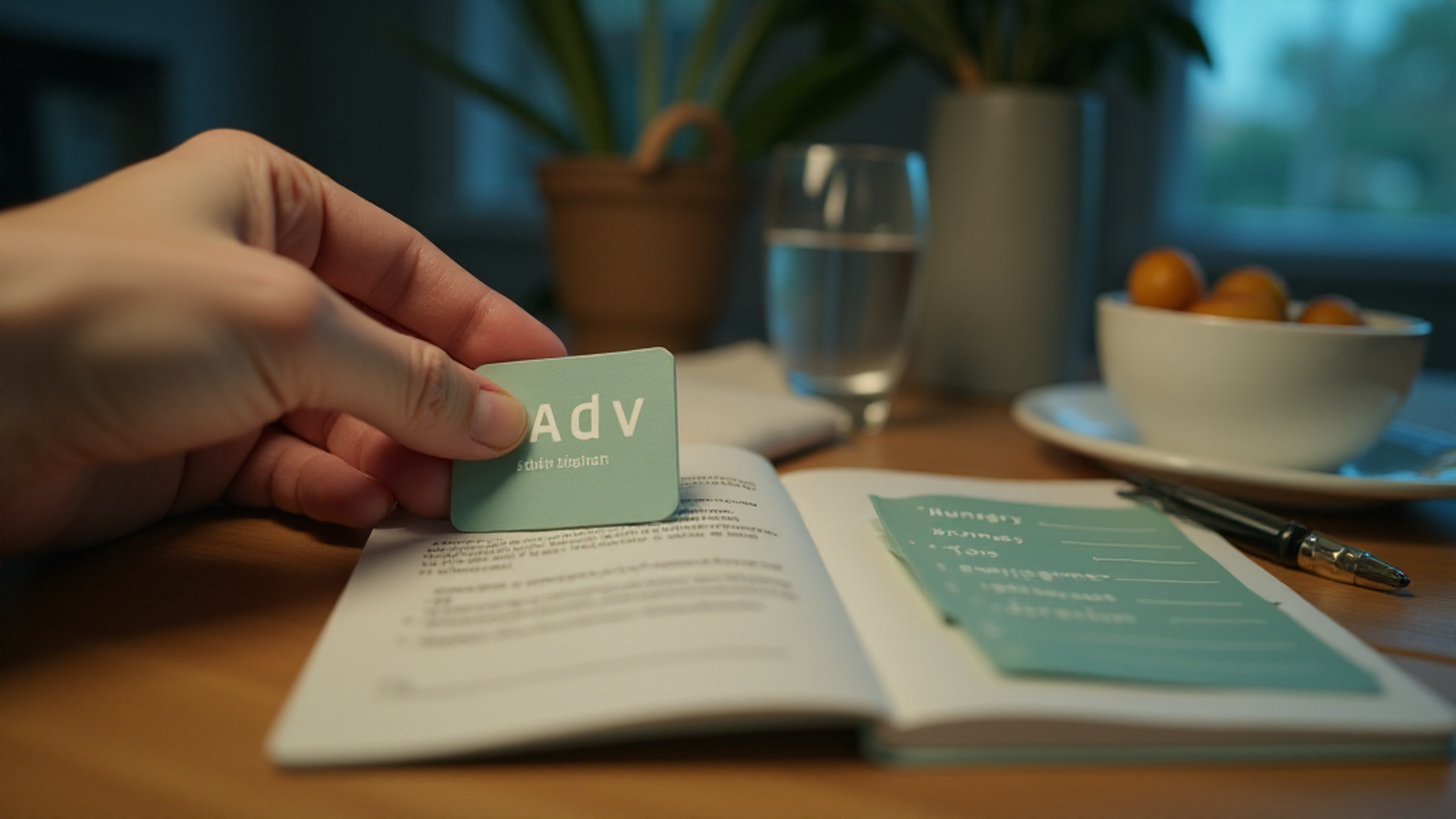
5. Comparison: SOS tools for daily support
There are many tools for stabilizing during a plateau. The choice depends on your rhythm, the nature of your cravings, and even the time of day.
| Parameter | Breathing practices (short exercises) | Daily check-in in the app | Brief contact with the support group |
|---|---|---|---|
| Time required | 1–3 minutes | 2–5 minutes | 5–15 minutes |
| Impact on dopamine deficiency | Rapid tension reduction, short-term relief | Gradual mood stabilization through regular monitoring | Adds emotional support, reduces isolation |
| Impact on glucose level | No direct effect | May encourage mindful eating | Reminds about simple actions: snack, rest |
| Cortisol regulation | Lowers cortisol through slowed breathing | Helps track stress through notes | Community provides a sense of safety, reduces anxiety |
| Accessibility in difficult situations | Always available, does not require devices | Requires a phone and app | Requires contact with another person or group |
| Additional effect | Quick brain break, focus on the here and now | Progress tracking, neuroplasticity through repetition | Sense of acceptance, new ideas for stabilization |
| Who it is suitable for | For those who often experience anxiety and have no time for long practice | For those who value structure, self-observation, and small daily victories | For those who feel lonely or have strong cravings in the evening |
Why does the plateau last so long, and how much longer can it continue?
The post-alcohol syndrome plateau is not a failure, but a consequence of how the brain gradually restores dopamine balance. After prolonged alcohol exposure, neurotransmitters do not return to normal instantly: restoring neuroplasticity takes more time than it seems. For most people, this stage lasts from a few weeks to three months — and that’s normal. Don’t demand “quick results” from yourself: mood stability returns gradually if you maintain a regular daily rhythm, nutrition, and don’t ignore your body’s signals.
What should I do if nothing brings joy in sobriety anymore?
Loss of joy is classic dopamine deficiency, and it’s not a personal failure. For a while, the brain literally “doesn’t hear” pleasure even from familiar enjoyable things. This passes as sensitivity to natural rewards returns. At this stage, micro-habits work: small achievable goals, a new routine, short walks, simple hobbies. Don’t expect fireworks of emotions — focus on actions, even if they seem “empty” right now. The main thing here is not to stop.
How do you regain motivation when it feels like everything is pointless?
Motivation disappears not because of weakness, but due to a biochemical slump and fatigue from constant struggle with cravings. This is a typical effect of changes in cortisol and glucose levels. Don’t chase giant goals — note small victories, even if it’s just “I didn’t relapse today.” You don’t need to feel inspired every day: rhythm is more important. Regular check-ins or using simple SOS tools restore a sense of control.
Is it normal to feel indifferent after a few weeks without alcohol?
Yes, it’s normal. Indifference is a temporary “frozen” state of the nervous system when emotions haven’t yet returned to their usual level. Melatonin and dopamine have not yet synchronized sleep and pleasure cycles without artificial stimulation. From recovery experience: indifference is already progress, because it’s not constant anxiety or craving. Breathing practices, regular sleep, and stable glucose levels are the foundation that gradually brings emotions back.
Твій лічильник тверезості — в кишені
Soberise — мобільний додаток для підтримки тверезості. Трекер днів, щоденний чекін, SOS-режим при тязі та коло підтримки.
Conclusion: how to stay sober even when it feels like there’s no progress
The main thing you have now: understanding — a plateau is not the end, but a temporary brain restructuring. During this period, it’s not willpower that matters, but daily small actions: check-ins, pausing before a trigger, tracking your state. Even if it feels like you’re “stuck,” these simple techniques restore control over dopamine deficiency and give your brain a chance to learn new reactions.
- Do a quick check-in: rate your state on a scale from 1 to 10 and write down your thoughts in a notebook or in the Soberise app.
- Choose one SOS technique (breathing exercise, HALT analysis, or a short walk) and do it today — even if it feels like it won’t change anything.
- Call or write to someone you trust to share that you’re experiencing a plateau. Don’t isolate yourself in a feeling of stagnation alone.
You are already in control of the process — even if your brain doesn’t fully feel it yet.
Sources and further reading
- Abstinence and extinction drive opposing changes in striatal activity and dopamine signaling during alcohol relapse. (pubmed.ncbi.nlm.nih.gov)
- Factors Associated with Abstinence Among Men with Alcohol Use Disorder: A Qualitative Study (pubmed.ncbi.nlm.nih.gov)
- Neurobiology and Symptomatology of Post-Acute Alcohol Withdrawal: A Mixed-Studies Systematic Review. (pubmed.ncbi.nlm.nih.gov)